


 +44 (0)1455 848 411


Vintage lenses available from TLS
Vintage lenses have a unique charm that can dramatically enhance the character and visual quality of cinematic productions. TLS offers a selection of vintage lenses, each with distinct features that can add artistic flair and unique character to your films. Let’s explore 6 key characteristics of vintage lenses:

1.Soft Focus & Dreamy Aesthetic:
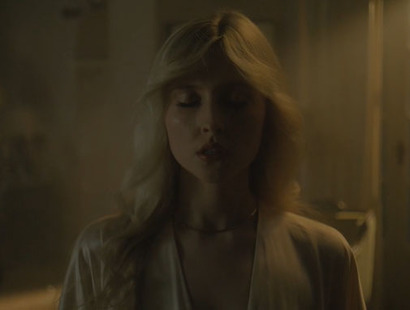
Many vintage lenses have softer, less clinical focus characteristics, which can create a dreamy look. This is often used in romantic or historical dramas where an old-world feel is desired. The slight softness, particularly in the bokeh, can evoke nostalgia or give the image an organic, tactile quality.
Image - Miguel Cármenes - The Edenbound: TLS rehoused Canon Rangefinder

2. Unique Bokeh:
The bokeh produced by vintage lenses are often different from those of modern lenses. Vintage lenses tend to create a more artistic, sometimes irregular bokeh, which can add a unique mood to the composition. Circular highlights in the background may appear as streaks or soft, imperfect shapes, giving depth and emotional texture to the visuals.
Image Sourced - The Camera Department: TLS rehoused Petzval
3. Colour Rendition:
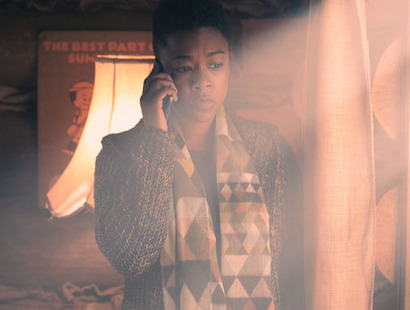
Vintage lenses tend to handle colour differently than modern lenses. They can create warmer tones, subtle shifts in colour saturation, and less clinical rendering of hues. This gives filmmakers the opportunity to craft a more nostalgic or distinct look. The slight colour shifts can add to the “vintage” or retro vibe in a film.
Image - Matt Gillian DOP - Everytime we say goodbye: TLS rehoused Cooke Speed Panchro
4. Lens Flare:
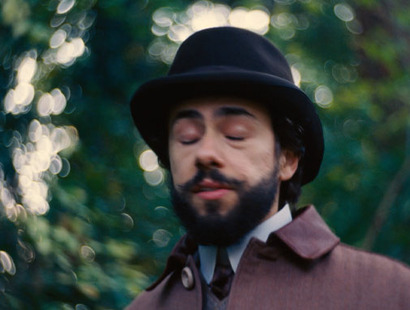
Another striking feature of vintage lenses is their tendency to produce distinct, often unpredictable lens flares. The characteristics of the flares, such as streaks, halos, or rainbow hues, are more pronounced in older lenses. This effect can add visual dynamics to scenes, particularly when light sources are directly in frame.
Image - Nicola Daley BSC ACS - The Handmaid's Tale: TLS rehoused Canon K35
5. Unique Distortions and Imperfections:
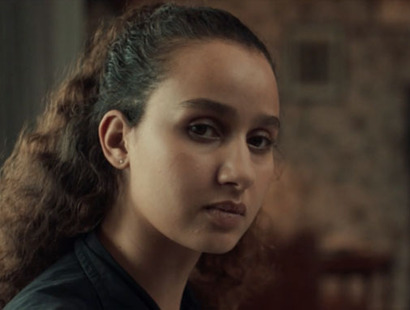
Some filmmakers value the imperfections that vintage lenses bring. These can include slight barrel distortion, chromatic aberration, or vignetting. While modern lenses tend to eliminate these imperfections, the added “flaws” in vintage lenses contribute to a more authentic, sometimes gritty look.
Image - Robbie Ryan ACS - Poor Things: TLS rehoused Petzval
6. Slight Aberrations:
The optical design of vintage lenses tends to be simpler and less "corrected" than modern lenses, leading to subtle aberrations that can add to the artistic value of a shot. This includes imperfections in sharpness or slight ghosting and halo effects around bright light sources.
Image - Naomi Amarger - Divertimento: TLS rehoused Canon K35
Artistic Potential for Cinematic Productions
1. Character-Driven Storytelling:
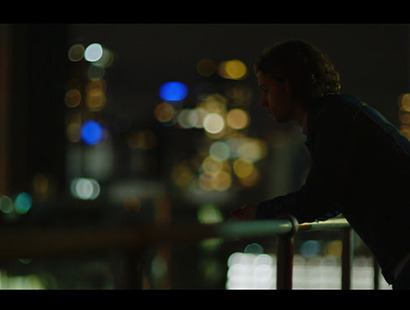
Vintage lenses are often chosen for projects that emphasise storytelling through mood and tone, rather than perfect image sharpness. If you're shooting a period piece, a film with a nostalgic or romantic vibe, or a piece that leans into atmospheric and emotional visuals, vintage lenses can contribute significantly to the film’s emotional resonance.
Image - Edward Goldner ACS with Love me S2: TLS rehoused Canon FD
2. Enhancing Mood:
Vintage lenses excel at enhancing the overall mood of a film. Whether it’s through the dreamy, soft-focus look of a scene, or the irregular bokeh that draws the viewer’s eye in a more subjective way, these lenses have the ability to turn an ordinary shot into something that feels more tactile and evocative.
3. Cinematic Look and Texture:
Filmmakers often turn to vintage lenses when they want to achieve a look that is more cinematic and less "sterile." Digital filmmaking has become known for its crisp, sharp qualities, which can feel cold and lifeless, whereas vintage lenses offer a textural richness that can make the footage feel more cinematic, much like classic films from earlier eras.
4. Timeless Appeal:
While modern lenses are designed with precision and performance in mind, vintage lenses offer something timeless and retro. This makes them ideal for projects that want to evoke the feeling of older films, whether through visual cues or overall artistic references.