
 +44 (0)1455 848 411


Inside the Light of Train Dreams with TLS Kowa Cine Prominar: A Conversation in Motion with Adolpho Veloso ABC AIP
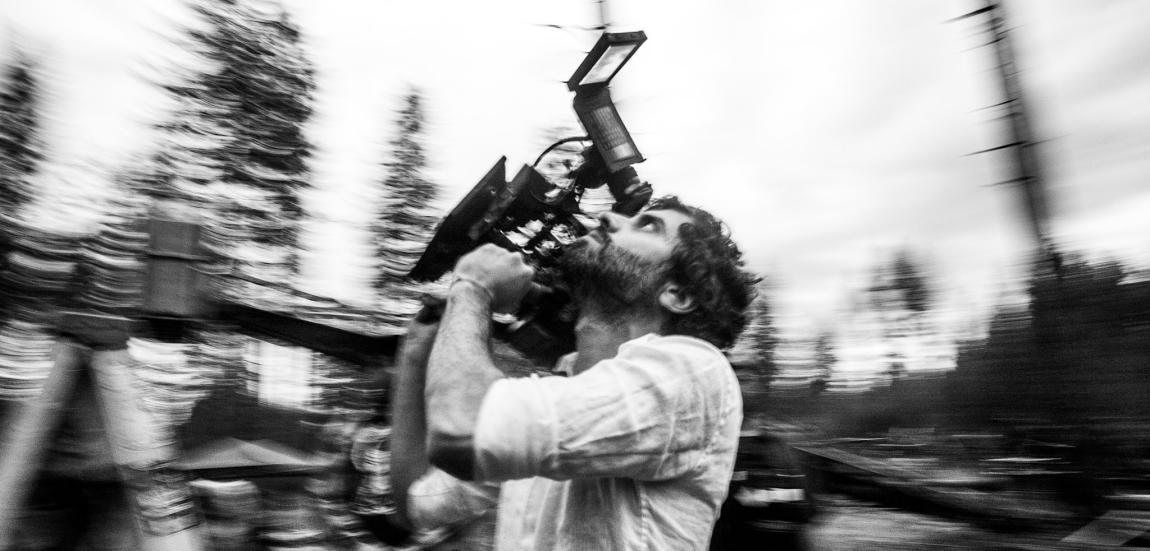
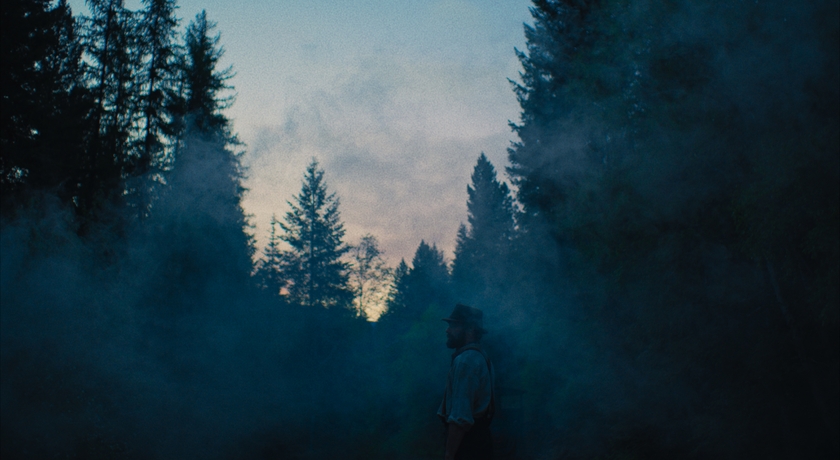
There’s a certain kind of film where the images don’t just show you a world, they feel like memories someone has handed you. Train Dreams is one of those films.
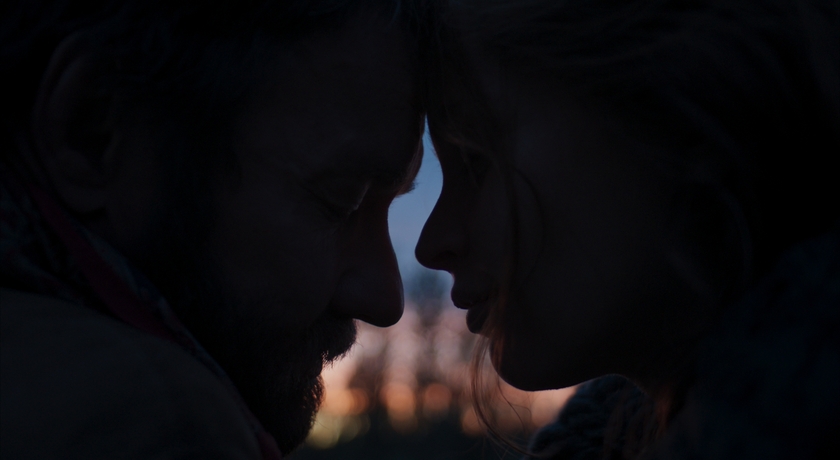
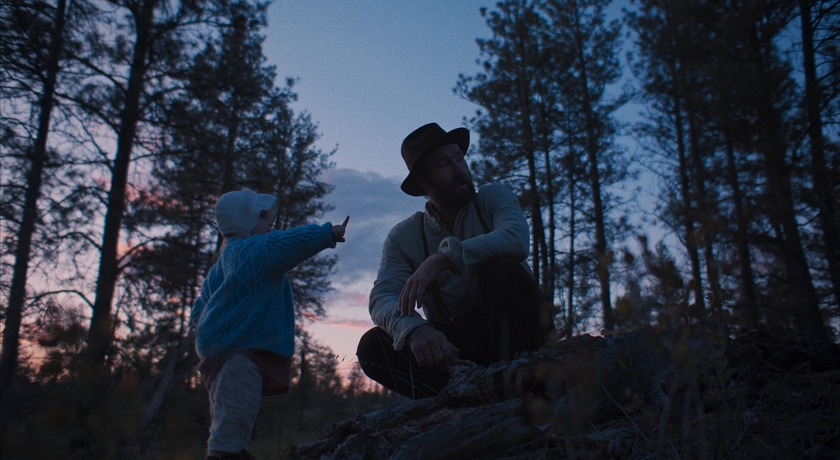
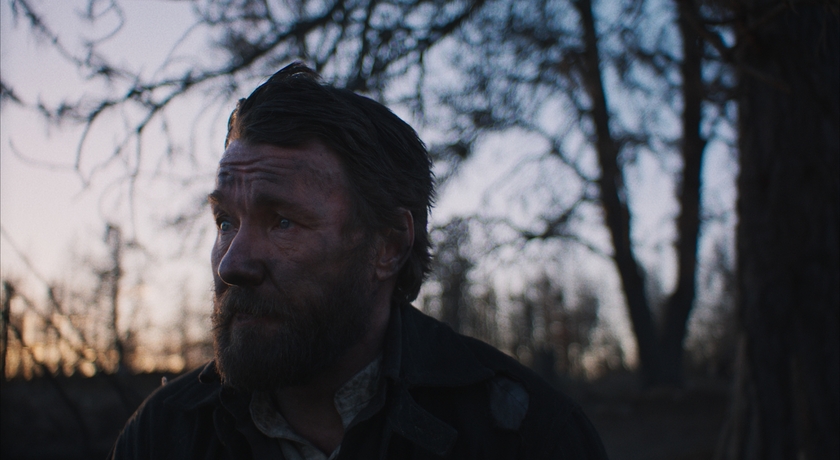
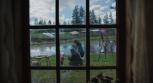
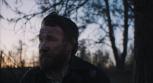
When cinematographer Adolpho Veloso first spoke with director Clint Bentley about what this story should look like, they weren’t chasing historical precision or glossy period polish. They wanted something far simpler, and much more difficult: a visual tone that felt human.
Not “pretty.” Not “old-fashioned.” Human.
The Look Begins With a Feeling
Adolpho describes their early conversations like two people trying to remember the same dream. They kept circling the idea of closeness, of making a period film that didn’t feel distant or preserved behind glass.
“We wanted it to feel approachable, relatable… like stepping into someone’s memories.” — Adolpho Veloso ABC AIP
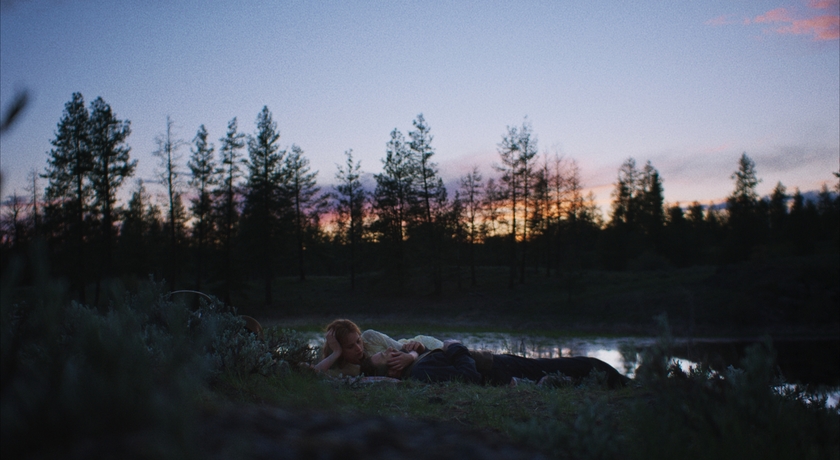
That’s where the idea of shooting in 3:2 aspect ratio came from. Not as a stylistic gimmick, but because it reminded them of leafing through old photo prints. It created a gentle frame — wide enough for landscapes, intimate enough for a face — that felt as though it already carried a history inside it.
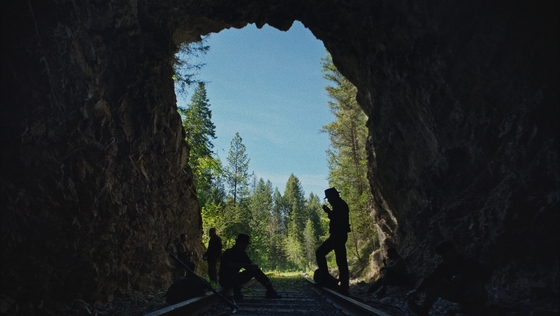
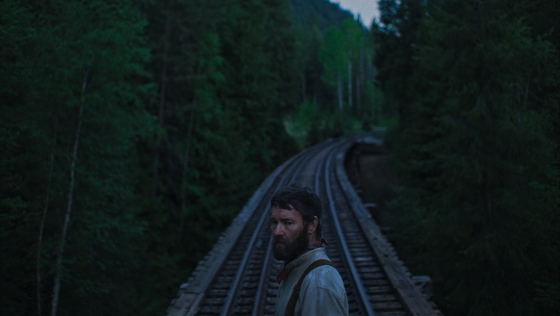
Enter the Lenses with Just the Right Kind of Magic
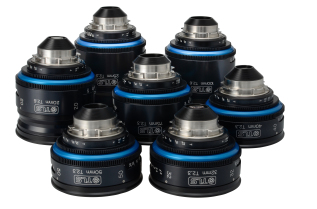
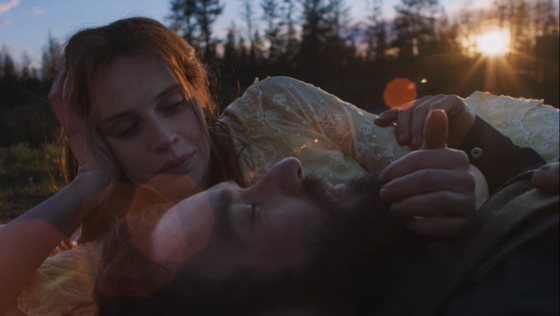
The Kowa Cine Prominars weren’t a random technical choice. Adolpho had a relationship with these lenses long before Train Dreams existed; he’d used them on smaller projects and always held on to one very specific memory: their flares.
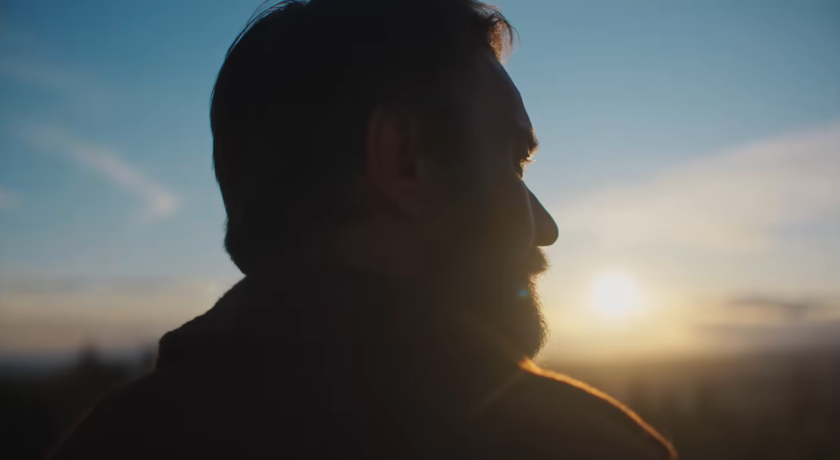
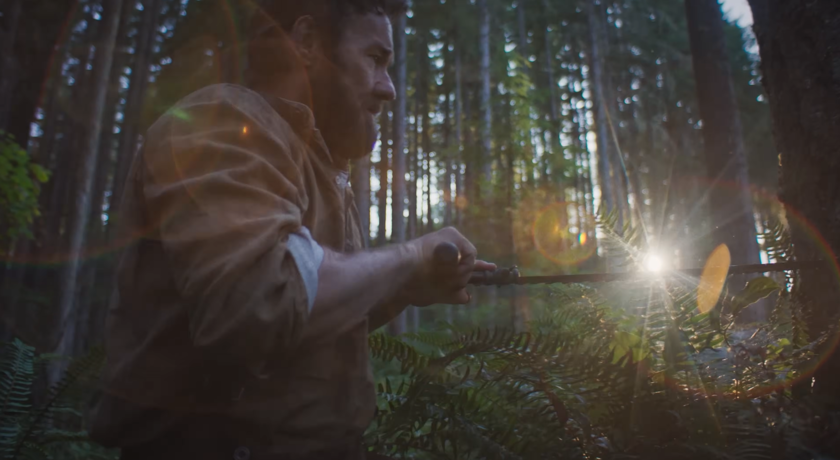
“The Kowas have always had my favourite sun flare of any lens.”
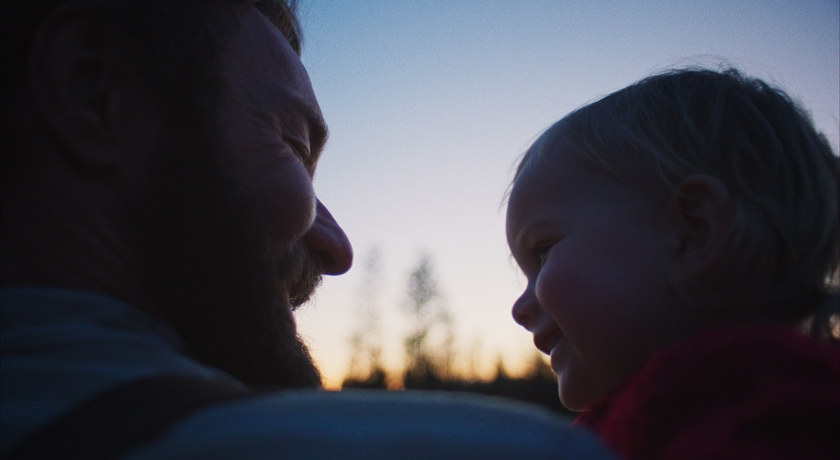
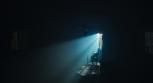
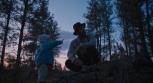
Not the screaming, streaky sci-fi kind. More like little golden ghosts drifting into the frame. Soft, circular, almost emotional.
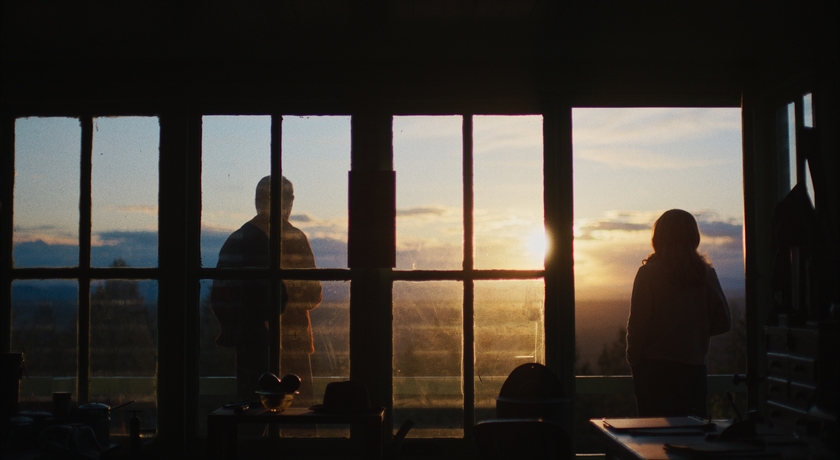
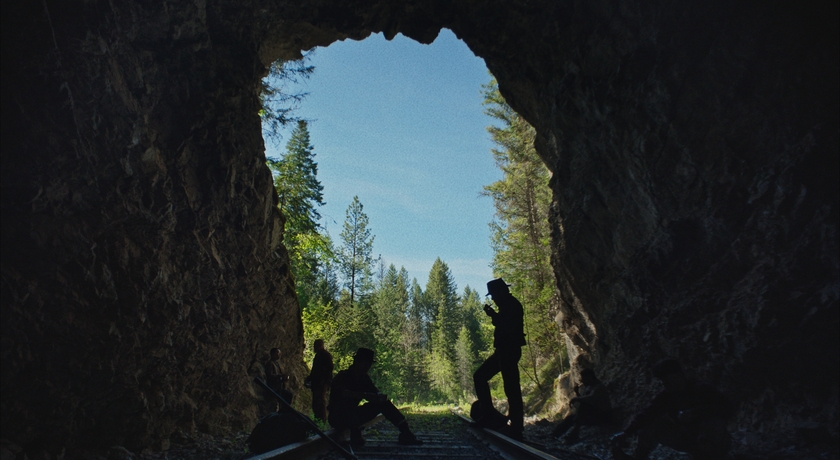
When the storyboards and the location scouts made it clear the sun would be a character in this film, especially in the day exteriors, it clicked. The Kowas weren’t just tools; they were part of the film’s emotional palette.
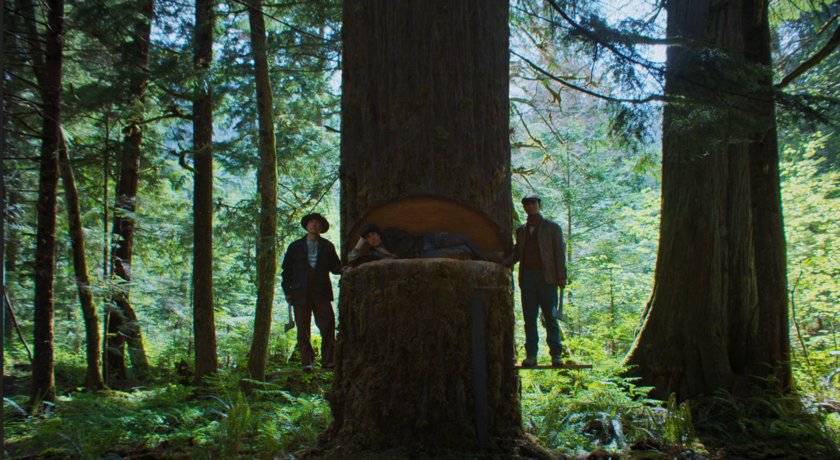
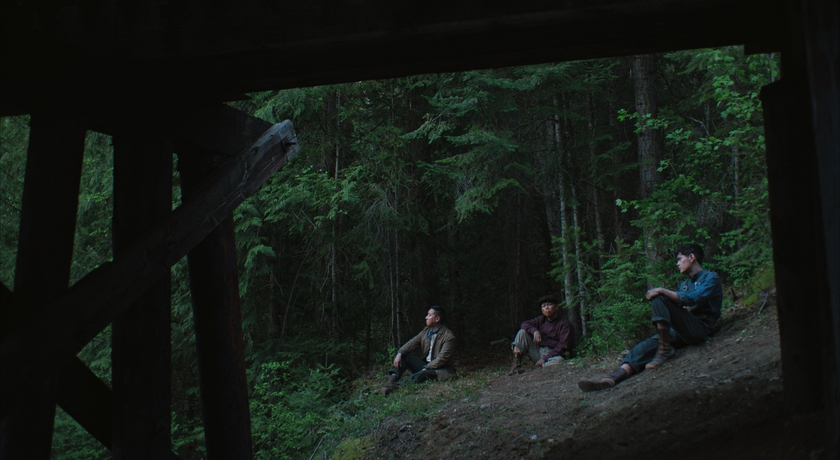
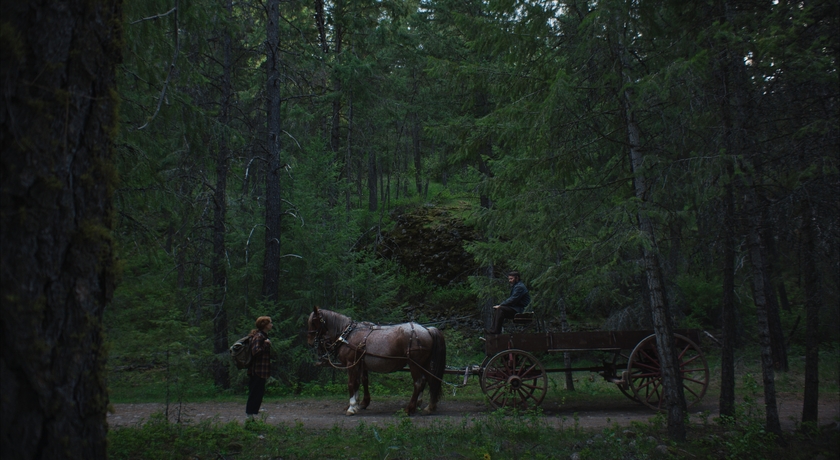
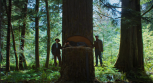
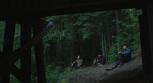
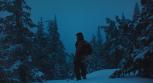
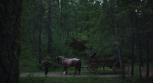
Outside, testing lenses against trees and shifting light, Adolpho and Clint kept coming back to the same reaction: the Kowas made nature feel slightly poetic without ever losing the grit of reality. A tiny brushstroke of romanticism, but not too much.
Just enough.
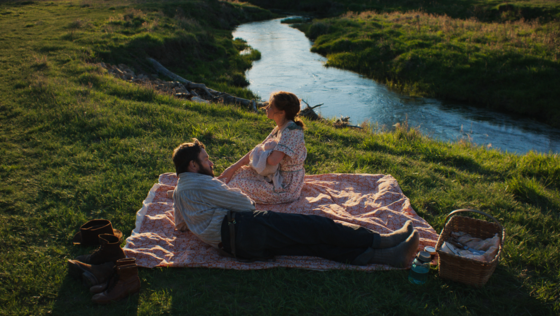
Handheld, Natural Light, and the Dance of Being Close
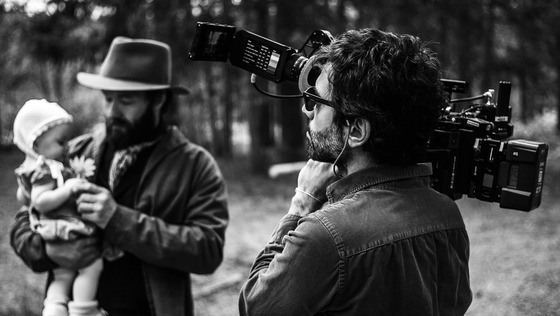
Most of Train Dreams is handheld. Not shaky handheld — human handheld. The kind where the camera breathes with the actors and inches forward as though it’s listening to them.
For that kind of work, the Kowas fit like extensions of the body.
“They’re incredibly compact and lightweight… essential for how we wanted to move.”
Imagine following a character through shifting sunlight, reacting to a gesture, turning into a shadowed patch of woods — all in one shot. You don’t want to wrestle with glass; you want something that lets you move like a person, not a machine.
That was the Kowas: small, expressive, immediate.
Rehoused Lenses in Real-World Conditions
Adolpho will happily talk about flares and feeling — but when it comes to how the lenses operated in the real world, he defers to a much more practical authority: the fantastic AC (Assistant Camera), Nick Kelling.
Nick kept it simple and to the point:
“The TLS Kowa Cine Prominars handled exceptionally well. Their robust housing ensured optimal performance no matter the location. The smooth mechanics allowed me to pull focus consistently and accurately.”

When the Lens Becomes Emotion
There’s a quiet, late-film moment — almost suspended in time — where the Kowas take centre stage.
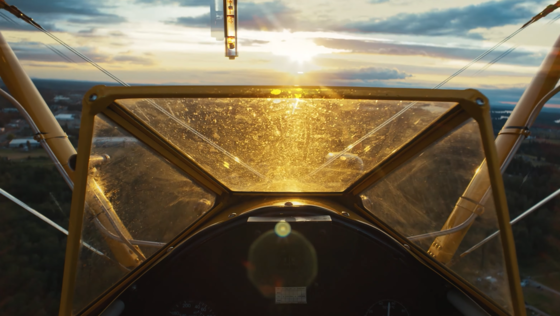
Grainier sits in the cockpit of a plane. The sun is behind him. The world is shifting.
The special effects team had mounted the cockpit on a gimbal, and as it rotated, the sunlight moved across the lens in slow arcs. Adolpho and Clint choreographed these flares like emotional beats — letting them wash into the frame at exactly the moments the character seems closest to some deeper understanding of himself.
“Those warm, golden flares… gave the image this dreamlike, almost spiritual quality.”
It’s one of those shots where the lens stops being equipment and becomes a collaborator.

A Film Living Between the Real and the Remembered
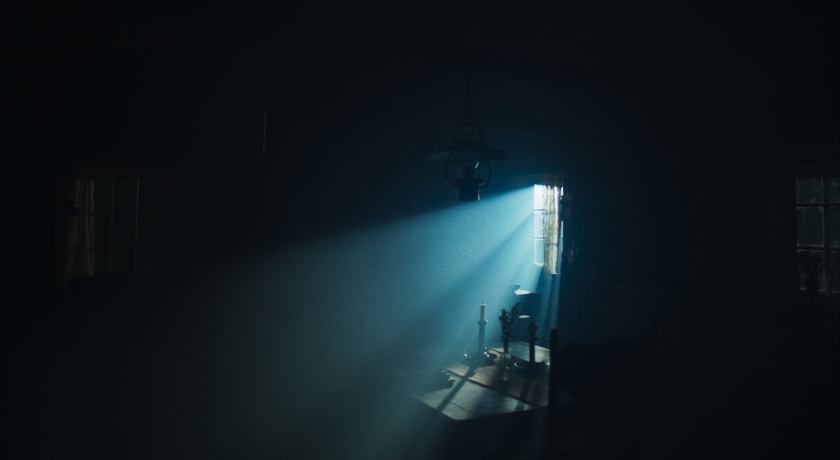
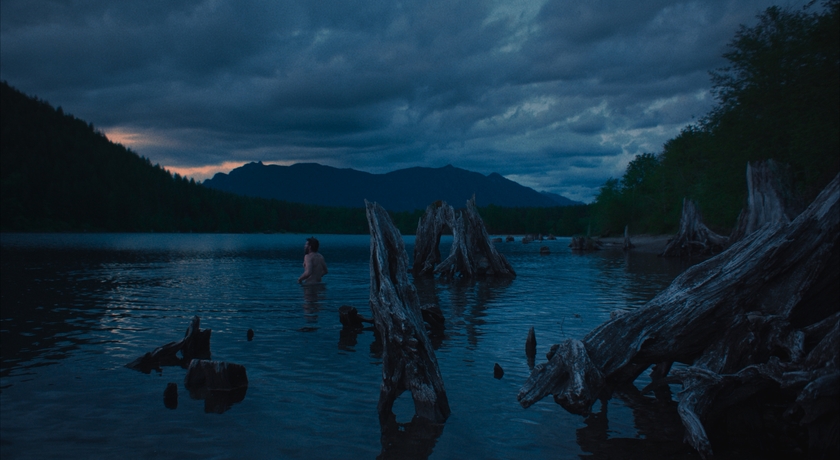
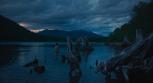
In the end, the visual identity of Train Dreams lives in the space between naturalism and memory. The handheld camera. The soft sunlight. The warm flares that slip into the frame as though they’ve wandered in from another time.
The TLS Kowa Cine Prominars didn’t just record the world in front of them — they shaped how that world feels. And that feeling is what lingers after the credits roll.
Discover More
You can find out more about Adolpho Veloso ABC AIP on his website (https://www.adolphoveloso.com/) or instagram page: @adolphoveloso
Learn how TLS can help you preserve and enhance your cinema lenses. Contact us on +44 (0) 1455 848 411 or Sales@truelens.co.uk